Buying These 5 SUVs is a Waste of Money: The Most Overpriced Cars in India
The Indian automotive market is booming. Every month, we see new launches, facelift reveals, and cutting-edge technology making its way into our garages. However, amidst this frenzy of new metal, there is a dark side: Inflation. Car prices have skyrocketed in the last three years. While many manufacturers justify these hikes with added features, safety tech, and turbo-petrol engines, some cars simply do not offer enough bang for your buck. Nissan Tekton SUV: The New Japanese Challenger to Rival Creta and Sierra in 2026
At MotorCarVerse, we believe in helping you find the best value for your hard-earned money. Sometimes, that means telling you what not to buy. Based on current market trends and pricing strategies, we have identified five SUVs that are currently a “waste of money.” These vehicles might be capable machines mechanically, but their price tags are disconnected from reality.
Here are the 5 SUVs you should think twice about before signing that cheque.
1. Nissan X-Trail: The Victim of CBU Taxes
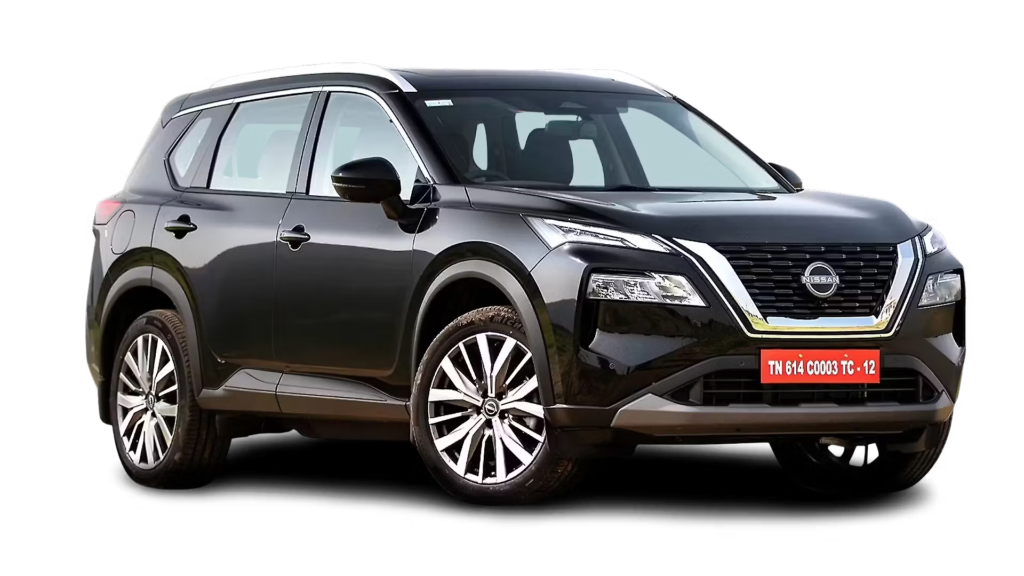
The Nissan X-Trail was one of the most anticipated launches for enthusiasts who remembered the rugged first-gen model. However, the launch pricing left everyone in shock.
Why is it a waste of money? The primary culprit here is the “CBU” (Completely Built Unit) tag. Nissan decided to import the X-Trail directly rather than assembling it in India. This attracts massive import taxes, pushing the on-road price in cities like Mumbai to a staggering ₹63.78 Lakh.
For this price, you get a vehicle that competes globally with the Honda CR-V and Toyota RAV4. In India, however, it is priced dangerously close to entry-level luxury SUVs from Mercedes-Benz, BMW, and Audi.
- The Feature Deficit: When you pay over ₹60 Lakhs, you expect luxury. The X-Trail, however, misses out on features that even ₹20 Lakh cars have today. The interior quality, while durable, does not scream “luxury.”
- The Competition: For the same money (or less), you can buy a Skoda Kodiaq, which offers a far superior interior, better driving dynamics, and more features. Alternatively, the Jeep Meridian offers similar 7-seater practicality for half the price. Buying an X-Trail today is purely a heart-over-head decision, and frankly, the heart deserves better value.
2. Isuzu V-Cross: From Lifestyle Icon to Overpriced Utility
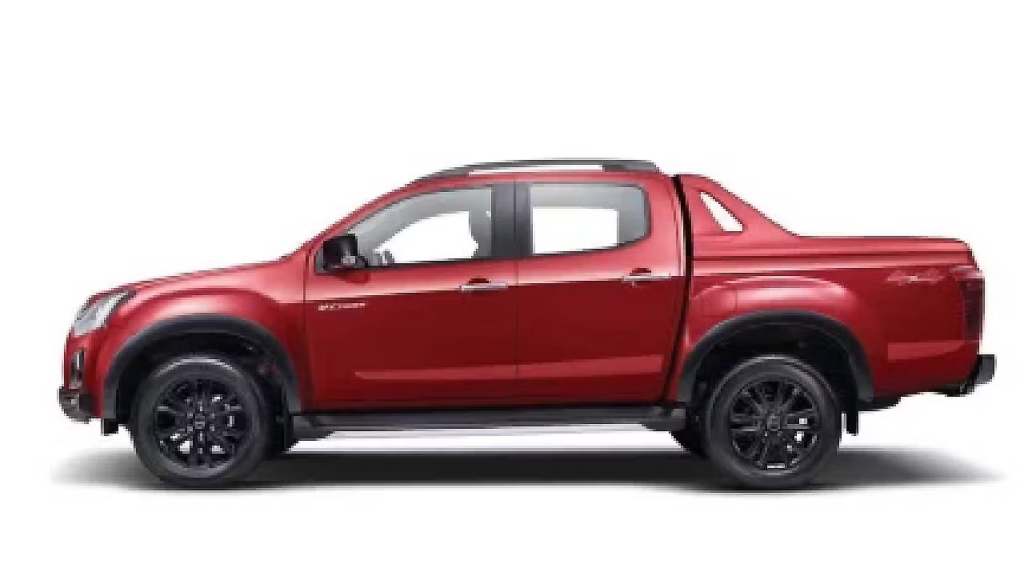
When the Isuzu V-Cross first launched in 2016, it was a revelation. It created the “lifestyle pickup” segment in India single-handedly. Priced around ₹17 Lakh back then, it was an affordable toy for off-roaders. Fast forward to today, and the equation has completely collapsed.
Why is it overpriced? The current top-spec Isuzu V-Cross touches nearly ₹38 Lakh (on-road, Mumbai). That is a massive jump for a vehicle that hasn’t fundamentally changed its utilitarian roots.
- Old Tech: The cabin still feels dated. The infotainment system, material quality, and rear-seat comfort are straight out of the last decade.
- The Engine: While the engine is robust and reliable, it lacks the refinement and punch of modern turbo-diesels found in the Toyota Fortuner or even the Mahindra Scorpio-N.
- The Verdict: At ₹20 Lakh, the V-Cross was a steal. At ₹38 Lakh, it is hard to justify unless you specifically need a pickup bed for commercial or farm use. For lifestyle buyers, a Toyota Hilux (though more expensive) offers better brand value, or a Mahindra Scorpio-N 4×4 offers far better comfort and off-road capability for much less money.
3. Citroen C5 Aircross: Comfort at a Cost
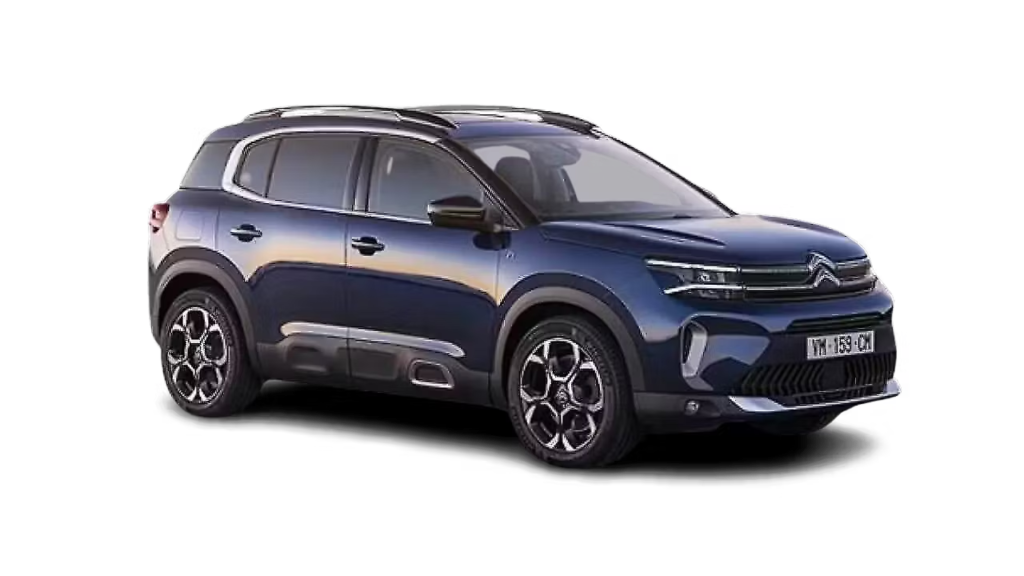
Citroen entered India with a clear promise: Comfort. And truthfully, the C5 Aircross delivers the best ride quality in its segment, thanks to its “Flying Carpet” hydraulic suspension. But comfort alone cannot justify an exorbitant price tag.
The Pricing Problem The C5 Aircross is a 5-seater crossover priced at nearly ₹48.40 Lakh (on-road). This places it in a weird “no-man’s land.”
- Size Matters: In terms of physical size and road presence, it is comparable to a Tata Harrier or MG Hector, cars that cost half as much.
- Feature Gaps: While the suspension is magic, the rest of the car is fairly average in terms of tech. It lacks the “wow factor” of a Hyundai Tucson or the electric punch of a Hyundai Ioniq 5, which you can buy for a similar price.
- Depreciation Disaster: Being a niche brand with low sales volumes, the resale value of the C5 Aircross is uncertain. Buying this new feels like burning money because you can get a Hyundai Tucson (which is also AWD and has ADAS Level 2) and still save nearly ₹10 Lakhs.
4. Toyota Innova Crysta: The Legend Charging a “Legacy Tax”
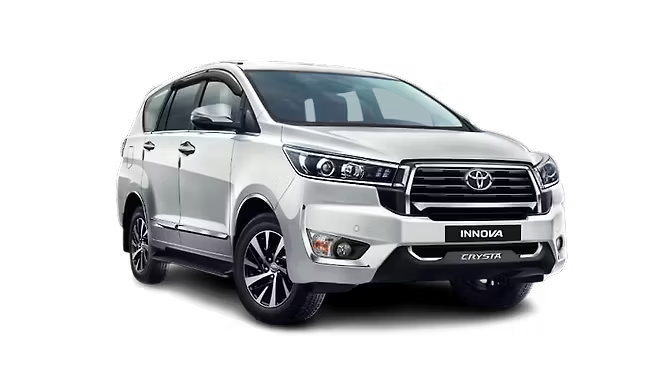
This inclusion might be controversial. The Toyota Innova is the gold standard for reliability in India. However, the older “Crysta” model, which is sold alongside the new Hycross, is starting to look like a bad financial deal.
Why is it on this list? Toyota knows the Innova brand is invincible, and they are pricing it accordingly. The Innova Crysta now costs between ₹25 Lakh and ₹33.50 Lakh.
- Outdated Package: Remember, this is the old generation. It uses a heavy ladder-frame chassis and a noisy diesel engine. It lacks modern amenities like a panoramic sunroof, ventilated seats, advanced ADAS, or a high-def digital instrument cluster.
- The Alternative is Better: For a similar price, the Toyota Innova Hycross offers a hybrid powertrain (fantastic mileage), a monocoque chassis (car-like handling), and modern tech.
- The Verdict: Unless you are a taxi operator who absolutely needs a diesel manual, buying a private-plate Innova Crysta in 2025-26 makes little sense. You are paying a premium for 10-year-old technology.
5. Toyota Land Cruiser 300 (LC300): The Billionaire’s Bad Deal?
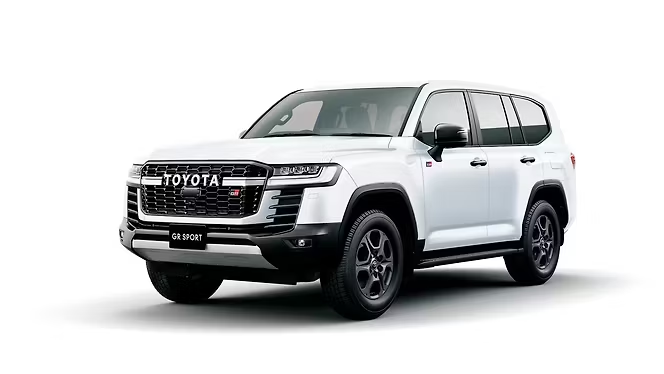
The Land Cruiser is an icon. It is the vehicle of choice for UN peacekeepers and desert sheikhs. But in India, the taxation structure turns this capable SUV into an absurdly expensive purchase.
The Math Doesn’t Add Up The LC300 costs between ₹2.71 Crore and ₹2.82 Crore in India.
- The Luxury Comparison: At this price point, you are entering the territory of the Range Rover, Mercedes-Benz GLS Maybach, or the BMW X7. These cars offer far superior luxury, badge value, and on-road comfort.
- The “Toyota” Badge: While the LC300 is indestructible, paying nearly ₹3 Crore for a Toyota interior (which shares switchgear with cheaper models) is a hard pill to swallow.
- Availability: To make matters worse, the waiting periods are incredibly long. You are essentially paying hyper-luxury prices for a car that is built to be a rugged workhorse. It is an amazing engineering marvel, but in the Indian context, it is undeniably overpriced compared to what the Germans and British are offering.
Conclusion: Value is Key
The common thread among all these five vehicles is that they are not “bad” cars. In fact, the Innova and Land Cruiser are some of the best-engineered vehicles on the planet. The problem is positioning and pricing.
In the Indian market, value for money is king.
- Instead of an X-Trail, look at the Skoda Kodiaq.
- Instead of a V-Cross, look at the Scorpio-N.
- Instead of a C5 Aircross, look at the Hyundai Tucson.
As a smart buyer, you must look past the brand image and evaluate what the car actually delivers for the price. Don’t let nostalgia or marketing hype empty your bank account.
Stay tuned to MotorCarVerse for more honest buying advice, unfiltered reviews, and the latest auto news!
Disclaimer: Pricing mentioned is estimated on-road Mumbai and subject to change. Opinions expressed are based on value-for-money propositions relative to competitors.
